Diplomacy, Democracy, Defence and the Future of the Transatlantic Relationship
Olav & Oddvar Dyvik Memorial Lecture by Former Ambassador and Current Harvard Kennedy School Professor Nicholas Burns.
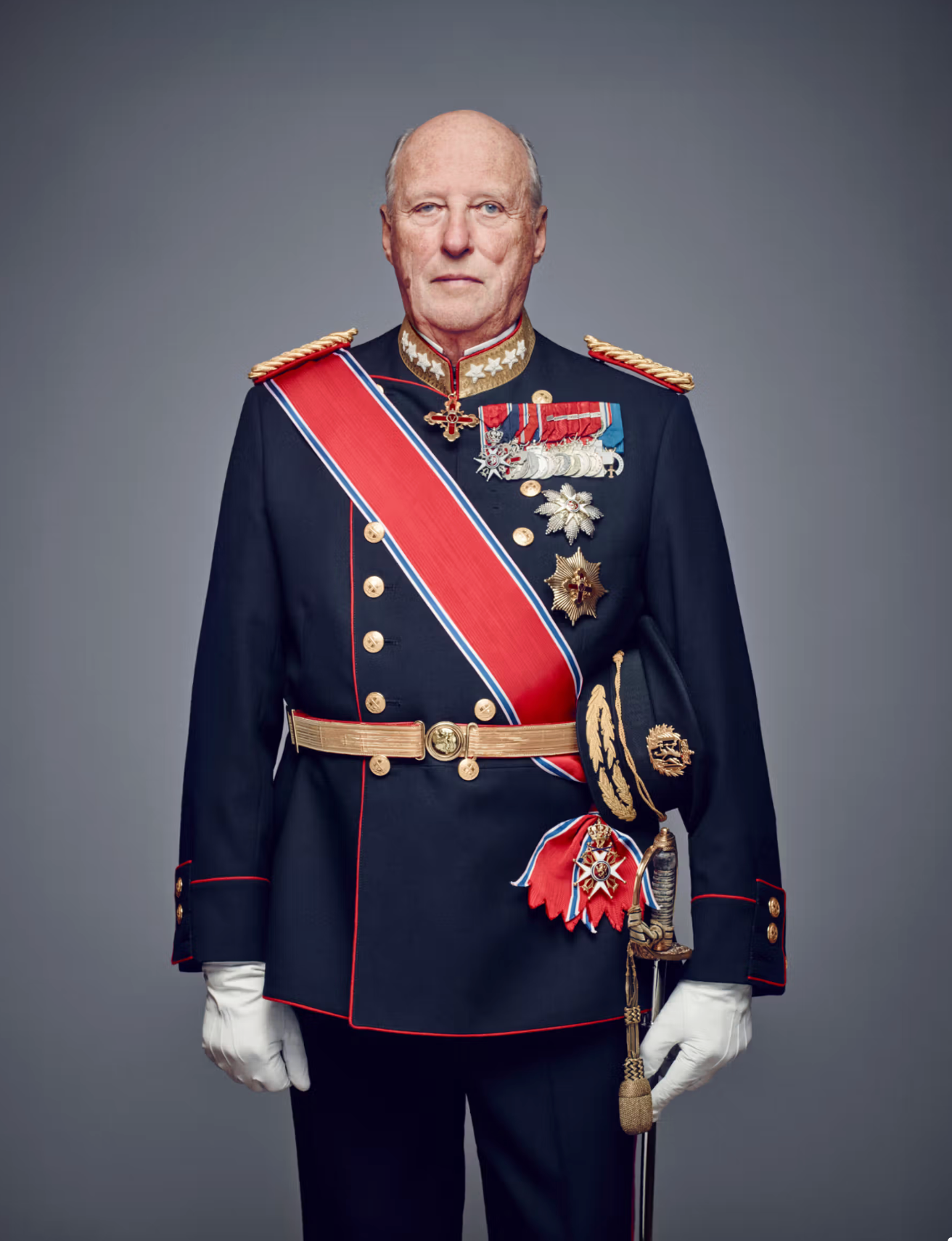
Prof. Burns opens with a story of how King Harald lived in the White House for five years, learning to fish from FDR and standing behind him at his fourth inauguration. Norway and the US both founders of NATO, to make sure something like the second world war would never happen again.
He starts his talk with 9/11, when he as a very new ambassador to NATO, where noone knew what to do – and the Canadian and Danish and German and Norwegian ambassadors called to say that they wanted to invoke article five – willing to fight with the USA. As Condoleeza Rice said: It is good to have friends. Now, he fears, that his country is risking it all – especially the threat from president Trump towards Denmark and Canada, his end of the military support for Ukraine, and befriending Putin. America is living through a crisis about who we are. Our president has broken the bonds of trust with our allies, and that is deeply painful to millions and Americans. in the coming months and years we will be tested, and need to rediscover and reconfirm our commitment to democracy.
We need a stronger Europe, to help Ukraine, to defend its cities against missiles. We must be as modern as the authoritarian powers – Iran and Russia. There is also the issue of democracy defense – witness the very disappointing result in Germany today. Li Jiping says the East is rising, the West is falling. I don’t think so, but we must show it in practice, by standing up for our values.
We can find our way towards redemption, become again the allies we need to be.
Q and A:
What is the balance in the House and Senate when it comes to NATO? Most are very pro NATO – law passed that NATO exit would require 2/3 majority in the House.
Where do you see China going on climate change? Don’t underestimate China – they are to a large extent meritocratic, with very highly educated leaders, mainly engineers. They are building the Silk Road, and want to create a shipping lane north fo Russia.
What is the risk of article five not being supported by all countries of NATO, particularly the USA? That depends on the scenario. Putin has been cutting cables, flown drones across the borders, etc. Worried about Estonia and Latvia, 25% ethnic Russians. The short answer is I don’t know, and that is not a good answer.
If you were in charge, how should the US use diplomacy to end this war? Putin understand strength, he respected Biden because he was a solid supporter of Ukraine. None of the two warring parties will win in a traditional sense, but the manpower is in Russias favour. The best result we can hope for is to have a peace more or less along the lines of occupation, nothing more.
Post-Trump, in 2028, how much damage has he done and how much can he do? How should Europe and Norway handle him? Støre and Stoltenberg did well, disagreed when they had to, but kept the relationship going.
From a young American: The WWII version of America seems quite distant to a post-9/11 person – we seem to be the bullies. What are the current heroes that we should emulate. Politicians are beginning to speak to the modern issues: Home affordability, fear of AI, climate change, inflation. Look at John Ossof, new senator from Georgia, as well as senator Schumer. My daughter admires AOC. A younger generation is coming, and they are welcome.
From the ambassador of Chile: What is your view concerning nuclear deterrence in Europe? Can they still rely on USA? Good question – German is looking to France and the UK to provide the nuclear umbrella for Germany. In the 2030s China and Russia will outnumber USA in terms of offensive nuclear weapons. Hypersonic nuclear missiles will reduce the time leaders have to talk.
There is insecurity about NATO, also because of developments in Norway – is it wise to develop a plan B, a coalition of the willing? I think that is a good idea. 33 countries will not always agree.
From a young person: Why are they rising? We are proud democracies – authoritative regimes run on power.
Kennedy student, since 2024, professors there talk like Trump is temporary – what if he is not and this is a structural shift in US foreign policy? Very difficult question. Immigration and AI will be contested issues. Cyber, biotech and quantum computing will be contested. What has changed is the incivility in our public discourse. We have lost the ability to talk to each other respectfully. We need leaders who will unite us, not divide us.
Norwegian reserve officer: You referenced a possible agreement like the Korean in Ukraine. Could Russia use this as a resting period to come back and attack later? In my heart of hearts, I would like Ukraine to win, but the rational side of me thinks we need to cut the losses, Ukraine cannot defend their cities now. I worry that the US negotiators will favor Russia. And it is president Zelensky’s decision. The US negotiators have been to Russia 10 times, in Ukraine once.